
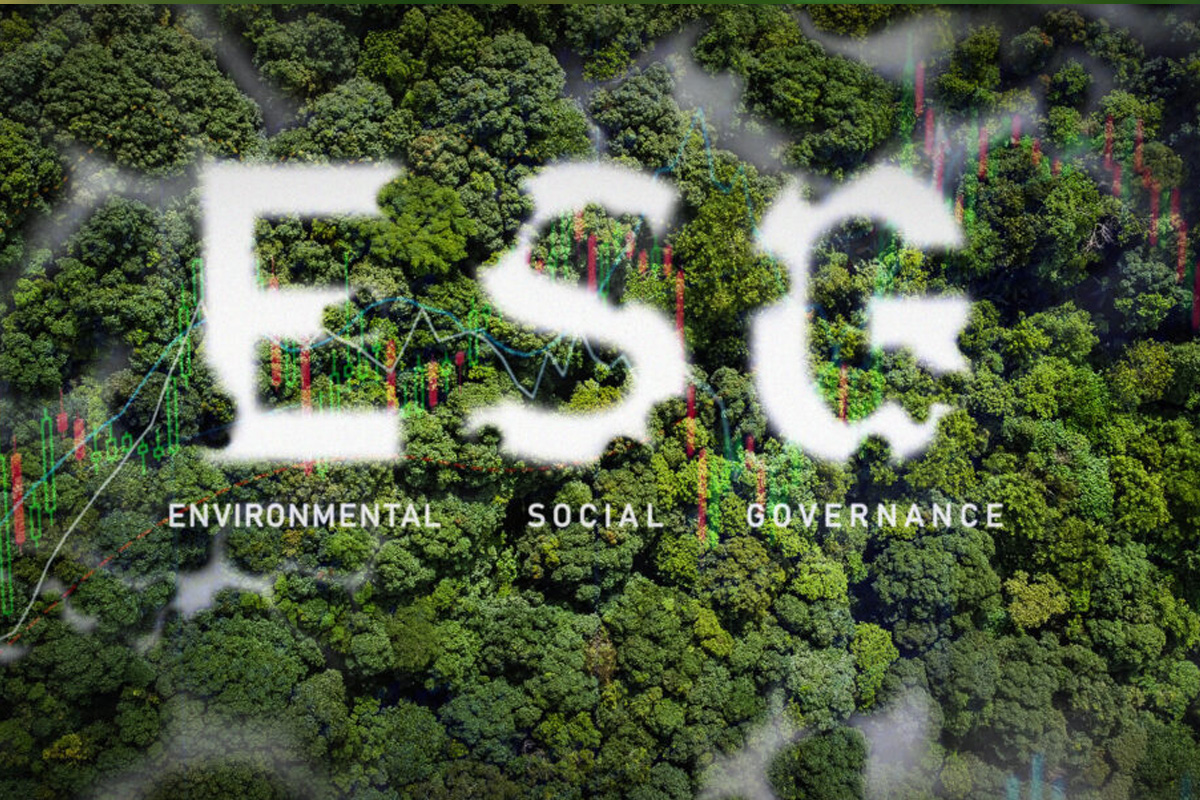

In recent years, ESG—short for Environmental, Social, and Governance—has evolved from a buzzword into a powerful framework shaping how companies operate, grow, and contribute to the world around them. But what does ESG truly mean, and why should individuals and organizations pay attention in 2025?
🌱 What is ESG?
ESG refers to a set of standards that investors, businesses, and stakeholders use to evaluate a company’s impact beyond financial performance. It focuses on:
- Environmental: How does a company impact the planet? (e.g., carbon emissions, waste management, energy use)
- Social: How does a company treat its people and communities? (e.g., employee rights, diversity, customer satisfaction)
- Governance: How is the company run? (e.g., ethics, board diversity, transparency, regulatory compliance)
Together, these factors help assess how sustainable, ethical, and resilient a company is.
🌍 Why ESG Matters More Than Ever
In 2025, ESG is no longer optional it’s a business necessity. Here’s why:
- Climate Crisis Awareness With increasing natural disasters, rising temperatures, and global climate pledges, businesses are being held accountable for their carbon footprint and environmental responsibility.
- Investor & Consumer Pressure Consumers and investors are aligning with companies that demonstrate strong ethical practices. ESG transparency can influence where people invest, shop, and work.
- Regulatory Developments Governments and regulatory bodies around the world are introducing stricter ESG reporting requirements. Compliance is essential for market access and investor trust.
- Long-Term Value Creation ESG-conscious companies often outperform their peers in the long run. It’s not just about doing good it’s also smart business.
🔎 Real-Life ESG in Action
- Environmental: Companies like Patagonia prioritize sustainability by using recycled materials and reducing emissions.
- Social: Salesforce promotes equality and inclusion, and invests heavily in employee wellbeing.
- Governance: Microsoft emphasizes data privacy, ethical leadership, and board diversity.
These companies show that ESG isn’t just a concept—it’s a competitive advantage.
💡 How Can You Support ESG?
Whether you're an individual, employee, or business leader, you can play a part in the ESG movement:
- Ask questions about where your products come from.
- Support companies with transparent ESG practices.
- Advocate for sustainability and inclusion in your workplace.
- Invest in ESG-conscious funds and businesses.
📢 Final Thoughts
ESG is not just about avoiding harm it’s about creating long-term positive impact. As we move through 2025 and beyond, embracing ESG means building a future that’s not only profitable but also sustainable, fair, and ethical.